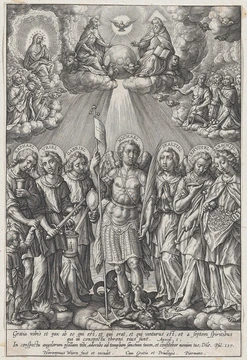
Angels in Christianity
Angels are God's messengers, guardians, and celestial beings in Christianity.

John Nelson Darby · Public domain
In Christianity, angels function as God’s messengers, appearing throughout the Bible in roles that include delivering messages, offering counsel, and providing guidance. The Old and New Testaments both feature these beings in such capacities. For instance, Psalm 91:11–12 describes angels as guardians of people, while Matthew 18:10 quotes Jesus warning against despising children because their angels always behold God’s face. Luke 20:34–36 notes that those deemed worthy of the resurrection will be like angels, neither marrying nor dying.
The idea of guardian angels has ancient roots, though the specific Christian concept is not directly attributed to earlier writers like Menander, Plutarch, or Neo-Platonists such as Plotinus in early Christian sources. In early Christian writings, Ignatius of Antioch’s letter to the Trallians does not contain a detailed list of angelic orders; that classification came later with Pseudo-Dionysius. Clement of Rome urged believers to join angels in praising God, while Clement of Alexandria wrote on the role of angels in guiding believers, though the specific phrasing that they 'instill strength and sharper perception' is not directly from his known works. Evagrius Ponticus spoke of angels as companions and models for behavior. Augustine of Hippo taught that good angels constantly direct people toward God, the true source of happiness, encouraging worship, though the claim that they 'experienced something new as creation unfolded' is not a standard or precise summary of his teaching.
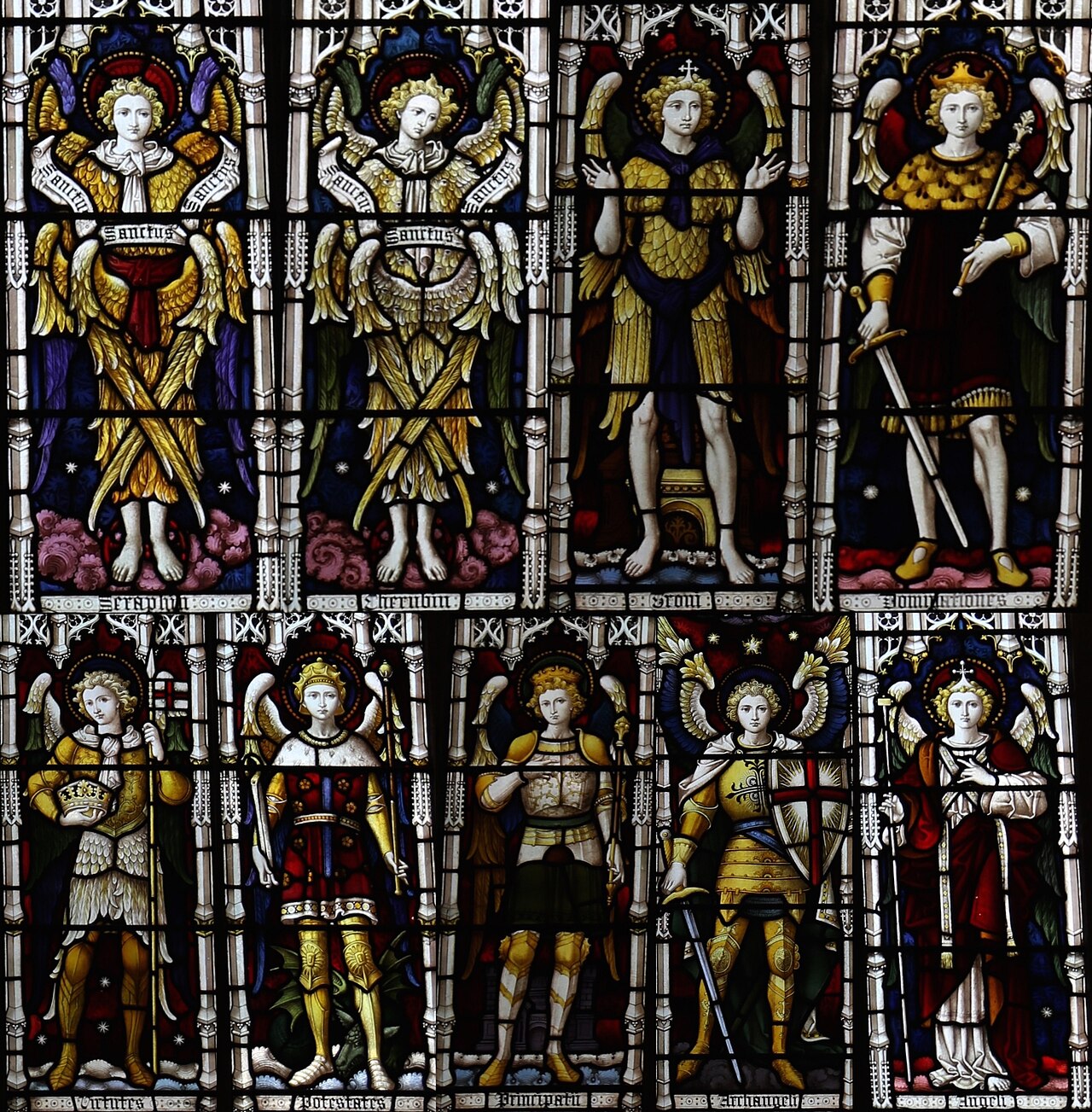
The most influential angelic hierarchy in Christianity comes from Pseudo-Dionysius the Areopagite’s *De Coelesti Hierarchia* (On the Celestial Hierarchy), written around the turn of the 6th century CE. This work divides angels into three levels, each containing three orders. Pseudo-Dionysius claimed to be a convert of Paul the Apostle, which gave his writings greater authority until Erasmus questioned their age in the early 16th century.
According to the Catechism of the Catholic Church (paragraph 328), the existence of angels—spiritual, non-corporeal beings—is a truth of faith, supported by Scripture and tradition. The catechism also states that the church’s life benefits from angels’ mysterious help, and that human life is surrounded by their watchful care and intercession from birth to death. Christ is the center of the angelic world, and angels
- field
- Christian theology
- known_for
- Messengers of God, guardians, and members of celestial hierarchies
- key_texts
- Psalms 91:11–12, Matthew 18:10, Luke 20:34–36
- major_hierarchy
- Pseudo-Dionysius's three spheres of nine orders
Lore & Background
In the Bible, Psalms 91:11–12 attributes the guardianship of men to angels. In Matthew 18:10 Jesus warns not to despise children because 'their angels in heaven always see the face of my Father in heaven.' Luke 20:34–36 affirms that those worthy of the resurrection will be like angels, neither marrying nor dying. Early Christian writers such as Ignatius of Antioch, Clement of Rome, Clement of Alexandria, Evagrius Ponticus, and Augustine of Hippo developed angelology. Augustine taught that good angels direct us toward God, though the notion that they 'experienced something new as creation unfolded' is not a precise summary of his views.
The most influential Christian angelic hierarchy was put forward around the turn of the 6th century CE by Pseudo-Dionysius in his work De Coelesti Hierarchia. He claimed to be an important figure converted by Paul th
Reader's Guide
Angels hold a central place in Christian belief as spiritual, non-corporeal beings whose existence is affirmed as a truth of faith. According to the Catechism of the Catholic Church, the whole life of the church benefits from the mysterious and powerful help of angels, and human life is surrounded by their watchful care and intercession from beginning to death. Christ is the center of the angelic world; angels belong to Him because they were created through and for Him.
Different Christian traditions have developed distinct views. The New Church (Swedenborgianism) teaches that all angels originate from the human race, dwell in human form with spiritual bodies, and live in societies. Each person has at least two evil spirits and two angels, and temptation arises from conflict between them. The Latter Day Saint movement views angels as messengers of God, often spirits of deceased humans or resurrected beings. Joseph Smith taught that no angels minister to this earth but those who belong or have belonged to it, and he described his first angelic encounter as a personage in a white robe standing in the air.
The Catholic angel hierarchy, based on Pseudo-Dionysius, includes Seraphim (closest to God, leading worship), Cherubim (depicted with four faces and wings), Thrones (associated with Ezekiel's vision of wheels), Dominions (governing celestial objects), Virtues (controlling elements and assisting with miracles), and Powers. This hierarchical structure has shaped Christian art, liturgy, and theology for centuries.
Did You Know?
- Psalms 91:11–12 attributes the guardianship of men to angels.
- Pseudo-Dionysius's angelic hierarchy was highly influential until Erasmus questioned its age in the early 16th century.
- In the New Church (Swedenborgianism), all angels originate from the human race and no angel in heaven first did not live in a material body.
- Joseph Smith taught that Adam is the archangel Michael and that Gabriel lived on earth as Noah.
Biblical Foundations and Eschatological Role
Angels occupy a central place in both the Old and New Testaments, functioning not merely as divine couriers but as counsellors, guides, and protectors of humanity. The Psalms explicitly assign them the task of guarding people, while Jesus himself in Matthew 18:10 cautions his followers against looking down on children, noting that each child's angel perpetually beholds the Father's face in heaven. This passage elevates the angelic role from general messenger to intimate, personal guardian. In Luke 20:34–36, the angelic condition is used as a theological benchmark for the resurrected state: those deemed worthy of the age to come will share with angels the freedom from marriage and death. Together, these scriptural threads paint angels as both present-day companions and a foretaste of eternal existence, anchoring Christian angelology in the very text of Scripture rather than in later speculation.
The Pseudo-Dionysian Framework and Its Long Shadow
Around the turn of the sixth century, an author writing under the name Pseudo-Dionysius the Areopagite produced De Coelesti Hierarchia, a treatise that would become the single most influential Christian angelic taxonomy. The work organizes angels into three spheres, each subdivided into three distinct orders, creating a nine-tiered celestial architecture. The author claimed to be a figure converted by the Apostle Paul, a pedigree that lent the text extraordinary authority for centuries. It was not until the early sixteenth century that Erasmus publicly raised doubts about the work's true age, stripping away the apostolic veneer. Even so, the hierarchical structure persisted in theological discourse, and earlier figures like Ignatius of Antioch had already listed angelic ranks in his Letter to the Trallians, suggesting that the impulse to categorize the angelic realm was well before Dionysius. The framework's endurance, despite its pseudonymous origin, testifies to how deeply the need for ordered spiritual cosmology runs through Christian thought.
Divergent Visions Across Christian Traditions
Christian traditions disagree sharply on what angels fundamentally are. The Catholic Catechism declares the existence of non-corporeal spiritual beings a truth of faith, grounded in both Scripture and the unanimity of Tradition, and affirms that Christ stands at the center of the angelic world, to whom they belong because they were created through and for Him. Swedenborgian theology takes a radically different path: every angel in heaven was once a human being, and all angels possess a spiritual body rather than existing as disembodied minds. Children who die eventually become angels, and names like Michael or Gabriel denote a function rather than an individual. The Latter Day Saint movement goes further, teaching that angels are either deceased or yet-unborn human spirits, or resurrected and translated humans with physical bodies of flesh and bones. Joseph Smith taught that no angel ministers to earth who does not belong to it, identifying Adam with the archangel Michael and Gabriel with Noah. These three frameworks—non-corporeal, spiritually embodied, and physically embodied—illustrate how widely Christian angelology can diverge while remaining within the broader faith.
Roots in Antiquity and the Patristic Era
Belief in guardian angels stretches well before the Christian era. The Greek dramatist Menander, the philosopher Plutarch, and Neo-Platonic thinkers such as Plotinus all affirmed the existence of guardian angels, a conviction recorded by Eusebius in his Praeparatio Evangelica. Within early Christianity, the tradition deepened rapidly. Ignatius of Antioch enumerated angelic ranks in his Letter to the Trallians, while Clement of Rome urged his congregation to join the angels in praising God. Clement of Alexandria offered a more intimate picture, describing angels as breathing within human thought and reasoning, instilling strength and sharper perception in the heart. Evagrius Ponticus framed angels as companions and behavioral models for the faithful. Augustine of Hippo added a dynamic dimension: the angels themselves were experiencing something new as God's creation unfolded, and the good angels continually strive to redirect humanity toward God as the true source of happiness, encouraging worship. Together, these voices show that angelic belief was not a static doctrine but a living, evolving conversation across centuries.
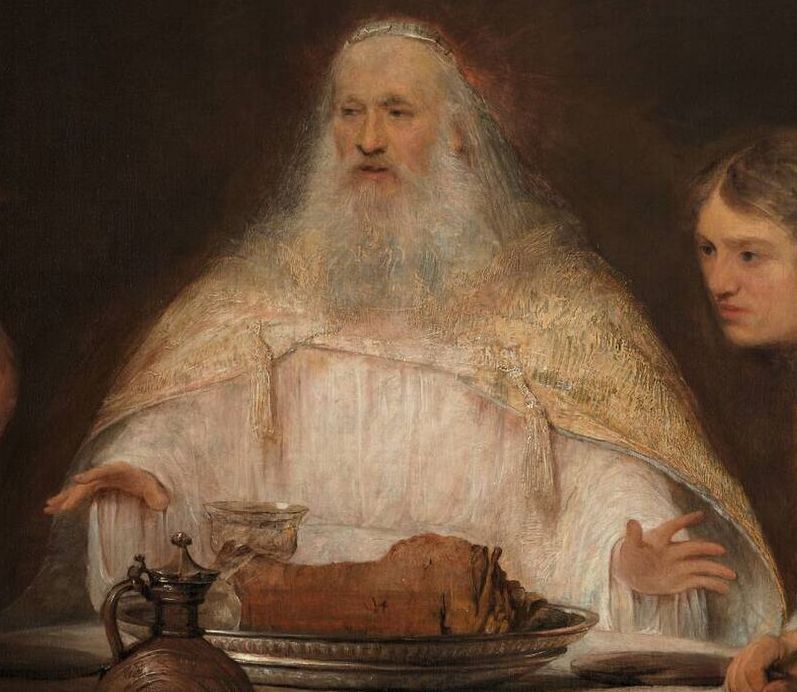
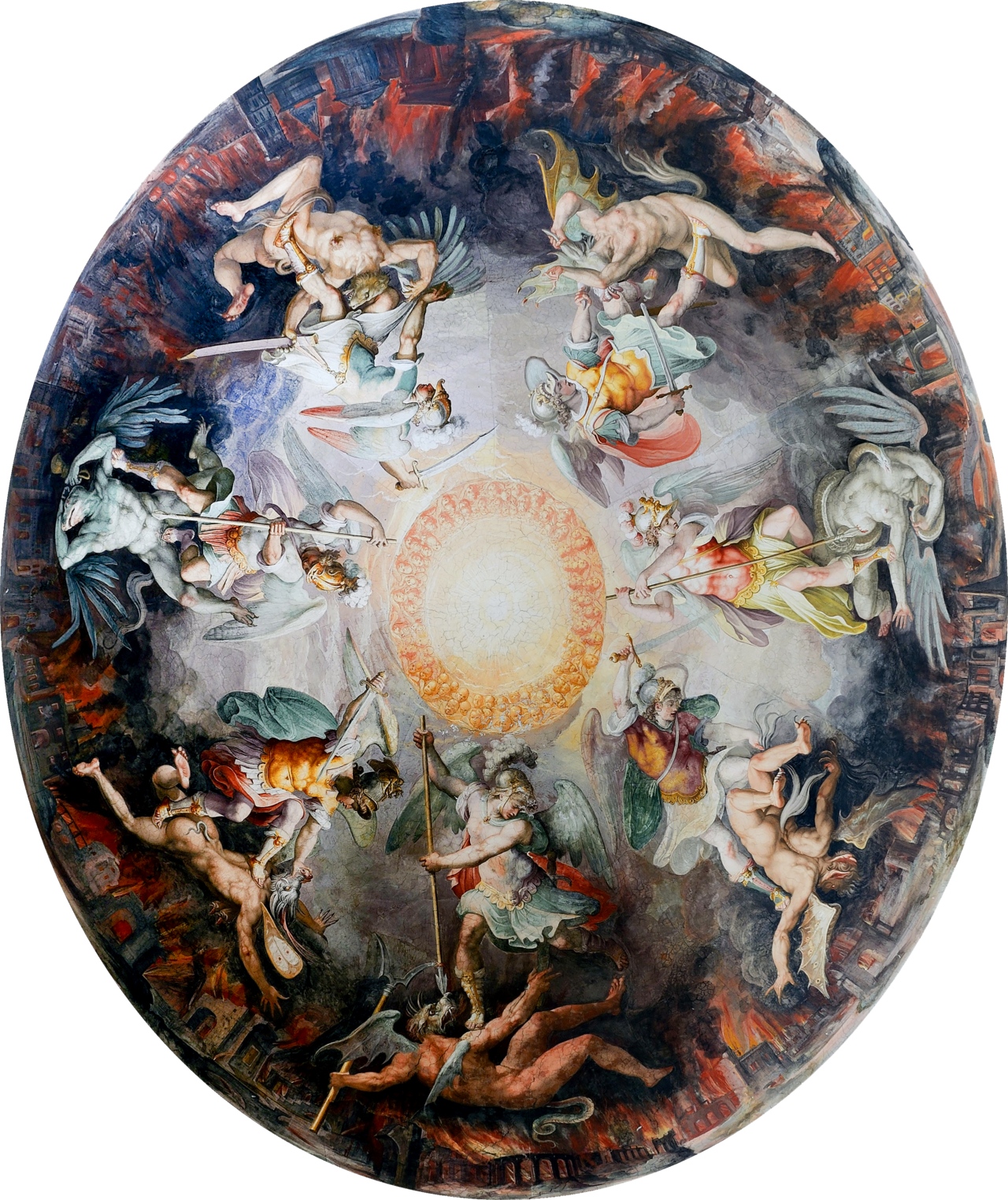
Gallery

Frequently Asked Questions
What are angels in Christianity?
Angels are spiritual beings created by God who serve as His messengers, guardians, and members of a structured celestial hierarchy. They appear throughout both the Old and New Testaments carrying out divine assignments on behalf of God.
What roles do angels fulfill in the Bible?
They deliver God's messages to humans, offer counsel and guidance, and act as protectors of the faithful. Psalm 91:11–12 specifically depicts them as sent to guard those who place their trust in God.
What is the angelic hierarchy in Christian theology?
The most widely recognized system comes from Pseudo-Dionysius, who organized angels into three spheres containing nine distinct orders. This framework became foundational in medieval and later Christian thought regarding the structure of heaven.
Do guardian angels exist in Christian teaching?
Yes — Matthew 18:10 records Jesus speaking of each child having an angel who continually beholds God's face, implying a personal protective assignment. The concept of individual guardian angels has deep roots in both Jewish and early Christian tradition.
What is the relationship between humans and angels after death?
Luke 20:34–36 states that those considered worthy of the resurrection will be like angels, meaning they will neither marry nor die. This points to a transformed state of existence that shares certain qualities with angelic beings.
More in Angels in Christianity 1-24
Spotted an error? Know more?
This is a living reference — every entry is fact-audited, and reader corrections feed straight into our audit queue. Suggest an edit · See this site's audit record