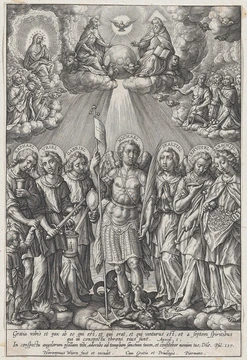
Camael
Archangel of love, peace and harmony in Christian angelology.

Rijksmuseum · CC0
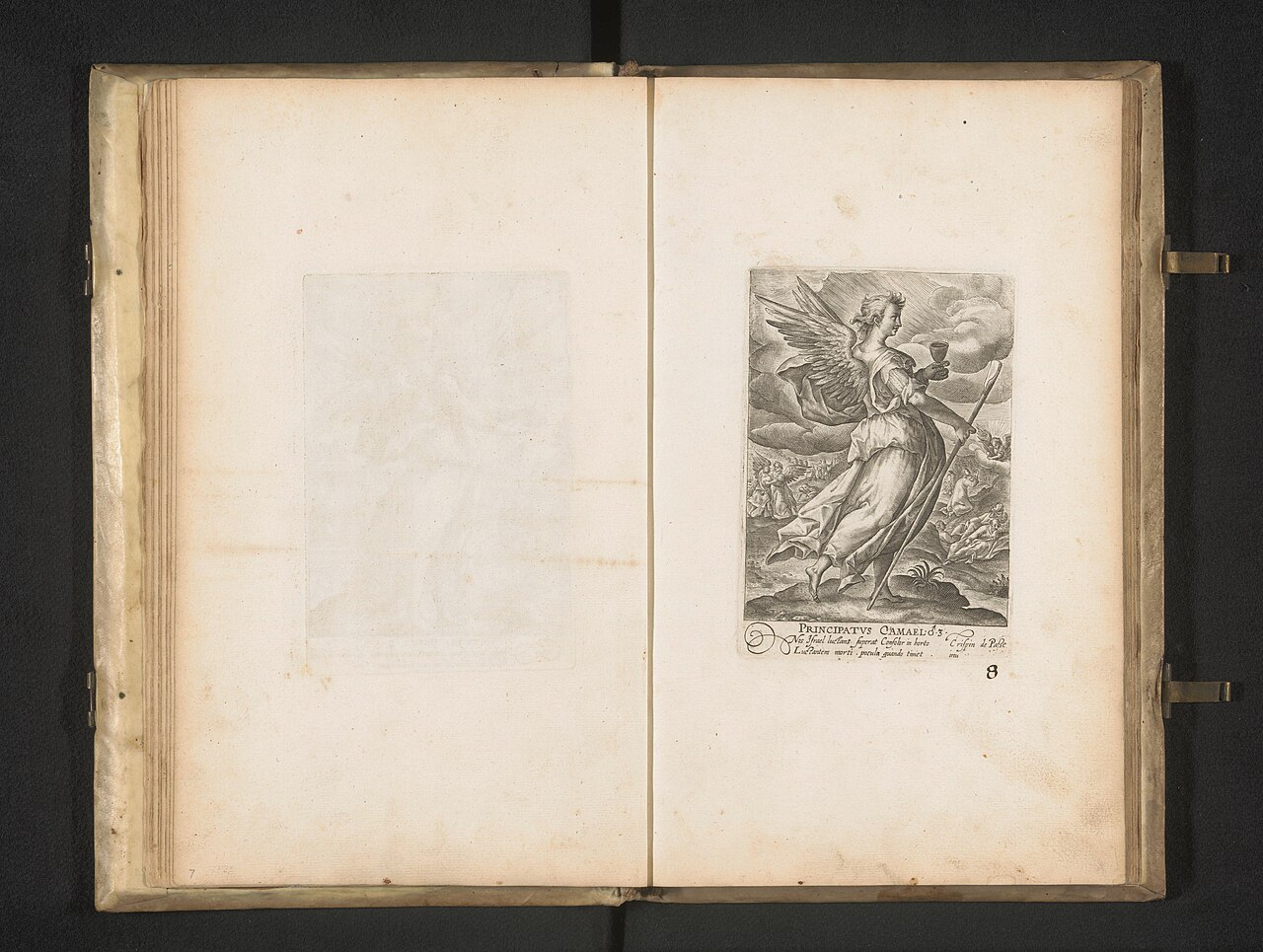
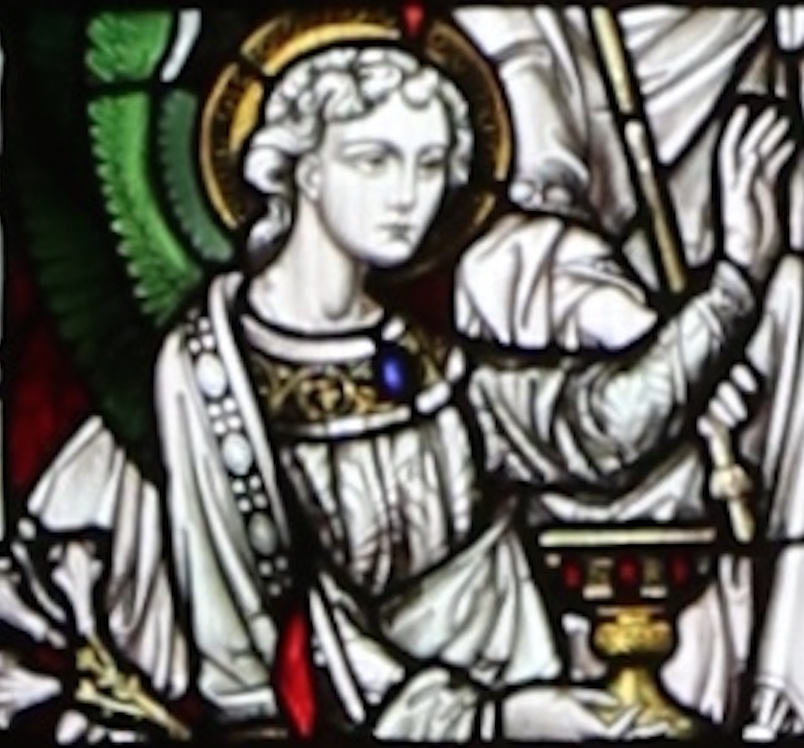
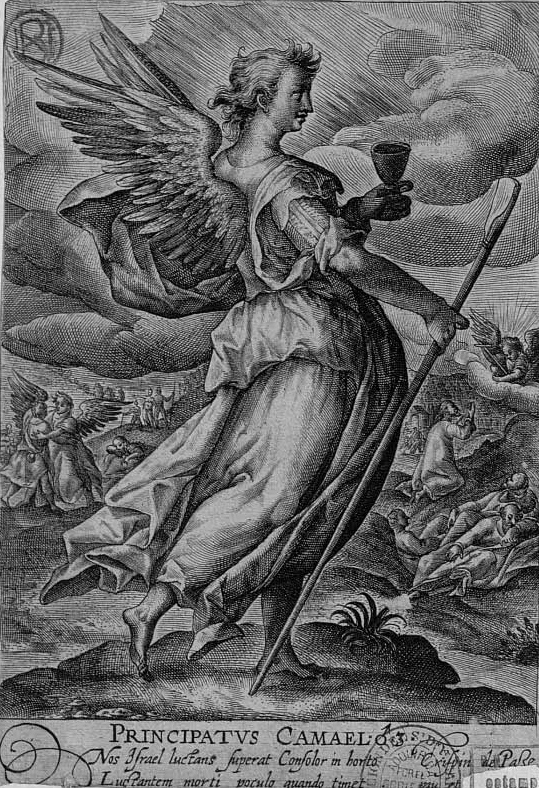
Camael—also known as Kamael, Chamuel, Khamuel, Camiel, Cameel, or Camniel—is recognized as an archangel in Christian angelology. In this tradition, Chamuel is considered the archangel of love, peace, and harmony. However, Camael was left off the Holy See's official list of named angels in the 2001 Directory on popular piety. That document advises against giving names to the Holy Angels, with the exception of Gabriel, Raphael, and Michael, whose names appear in Holy Scripture.
- field
- Christian angelology
- known_for
- Archangel of love, peace and harmony
- also_spelled
- Kamael, Chamuel, Khamuel, Camiel, Cameel, Camniel
Lore & Background
Camael is recognized as an archangel within Christian angelology, though the name appears in multiple variant spellings including Kamael, Chamuel, Khamuel, Camiel, Cameel, and Camniel. As Chamuel, this archangel is specifically associated with love, peace, and harmony. The figure is not mentioned in the canonical Holy Scripture, which only names Gabriel, Raphael, and Michael.
Reader's Guide
Camael's significance lies in its role as an archangel of love, peace, and harmony within Christian angelological tradition, despite being excluded from official Catholic veneration. The 2001 Directory on popular piety from the Holy See explicitly discourages assigning names to angels beyond the three scriptural ones, reflecting a tension between popular devotion and ecclesiastical authority. This exclusion highlights how extra-biblical angelic figures like Camael have persisted in folk piety and theological literature, even as the Church seeks to regulate such practices. The multiple spellings of the name further indicate its transmission through various cultural and linguistic contexts. Camael's legacy endures in reference works and angelology studies, where it remains a subject of interest for those exploring non-canonical angelic hierarchies.
Did You Know?
- Camael is also spelled Kamael, Chamuel, Khamuel, Camiel, Cameel, and Camniel.
- Chamuel is the archangel of love, peace and harmony.
- Camael was excluded from the Holy See's list of named angels in the 2001 Directory on popular piety.
- The Directory states that assigning names to angels should be discouraged except for Gabriel, Raphael, and Michael.
Naming and Identity in Christian Angelology
Camael occupies a distinctive position within Christian angelology as a recognized archangel, yet the very name by which this figure is known resists a single, fixed form. Across different traditions, languages, and textual transmissions, the archangel appears under a remarkable constellation of spellings: Kamael, Chamuel, Khamuel, Camiel, Cameel, and Camniel. This proliferation of variants suggests that the figure has been carried through multiple linguistic and cultural channels, each leaving its own phonetic mark on the name. Despite this orthographic diversity, the core identity remains consistent: Camael is understood as an archangel within the Christian framework of celestial hierarchy. The figure does not derive from the narrow set of angels explicitly named in Holy Scripture, which places Camael in a broader, more expansive category of angelic beings recognized in theological and devotional traditions. The multiplicity of spellings also reflects the living, evolving nature of angelological discourse, where a single celestial figure can accumulate different names as it passes through the hands of different writers, communities, and centuries.
Domain: Love, Peace, and Harmony
Within the architecture of Christian angelology, each archangel is traditionally associated with a particular sphere of influence or spiritual quality. For Camael—most commonly rendered as Chamuel in this context—the defining domain encompasses love, peace, and harmony. These three attributes form a cohesive triad that points toward the archangel's role as a celestial force oriented toward the reconciliation and unification of creation. Love, in this angelological framework, suggests a binding and compassionate energy; peace implies the resolution of conflict and the establishment of stillness; and harmony evokes the alignment of disparate elements into a unified whole. Together, they paint a portrait of an archangel whose purpose is not martial or judicial but restorative and unifying. This domain distinguishes Chamuel from other named archangelic figures and gives the figure a specific theological and devotional function. The association with these qualities positions Camael within the broader tradition of angels as intermediaries who embody and enact divine virtues in the world, serving as a focal point for those seeking spiritual comfort, relational healing, or inner tranquility.
Ecclesiastical Standing and the 2001 Directory
The status of Camael within official Catholic teaching is notably constrained. In 2001, the Holy See issued the Directory on popular piety, a document that addressed the practice of assigning names to angels in devotional and popular contexts. The Directory explicitly discouraged the naming of angels, with a narrow exception: only Gabriel, Raphael, and Michael were permitted to be named, on the grounds that their names appear in Holy Scripture. Camael, despite being recognized as an archangel in broader Christian angelological tradition, was not included among the named angels sanctioned by this document. This exclusion is significant because it draws a clear institutional line between angels whose names have direct scriptural attestation and those whose names derive from later theological, devotional, or folk traditions. The Directory's language frames the naming of angels as a practice to be discouraged, positioning Camael's name as belonging to the latter category. For believers and scholars alike, this means that while Camael retains a place in the wider angelological landscape, the figure does not carry the same level of ecclesiastical endorsement as the three scripturally named archangels.
Camael in the Broader Angelological Literature
Camael exists within a vast and varied body of angelological writing that spans centuries and disciplines. The figure is situated alongside thousands of other celestial beings in reference works that catalog angels from A to Z, encompassing entries that number in the thousands. Authors such as Gustav Davidson, Rosemary Guiley, Constance Victoria Briggs, and Matthew Bunson have all contributed to the scholarly and popular literature surrounding angels, producing dictionaries, encyclopedias, and who's-who guides that place Camael within a larger taxonomy of heavenly and fallen beings. The list of angels in theology serves as a structural reference point, situating Camael among the broader theological framework rather than in isolation. Works ranging from academic dictionaries to devotional guides and even popular narratives about angels reflect the enduring human fascination with these celestial figures. Camael's presence in this literature—across multiple spellings and within multiple traditions—testifies to the figure's persistence in the collective imagination, even as the Holy See's 2001 guidance tempers the extent to which the name is formally recognized in official Catholic devotional practice.
Gallery
Frequently Asked Questions
Who is Camael?
Camael is an archangel in Christian angelology traditionally identified as the guardian of love, peace, and harmony. The name surfaces under several spellings across different traditions, including Chamuel, Kamael, and Camiel.
What is Camael's specific role or domain?
Within Christian angelological tradition, Camael is understood to embody and oversee love, peace, and harmony among the angelic ranks. This makes the archangel distinct from Michael, Gabriel, or Raphael, who carry more combat, messenger, or healing associations.
Is Camael officially recognized by the Catholic Church?
No. The Holy See's 2001 Directory on Popular Piety deliberately left Camael off its roster of named angels, restricting official recognition to Michael, Gabriel, and Raphael because only those three names appear in Holy Scripture.
What are the different spellings or names for Camael?
You will encounter the archangel as Kamael, Chamuel, Khamuel, Camiel, Cameel, or Camniel depending on the source tradition. These variants reflect different linguistic and cultural renderings within the broader Christian angelological literature.
Does Camael appear anywhere in the Bible?
No, Camael is not named in any biblical book. The archangel's identity, role, and association with love and harmony come from later Christian angelological writings rather than from Scripture itself.
More in Angels in Christianity 1-24
Spotted an error? Know more?
This is a living reference — every entry is fact-audited, and reader corrections feed straight into our audit queue. Suggest an edit · See this site's audit record