Antonio del Duca
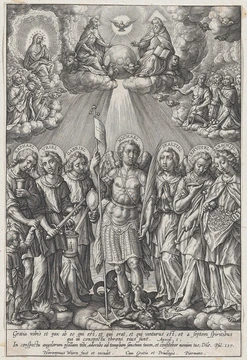
Sicilian friar who championed the cult of the Seven Angelic Princes.

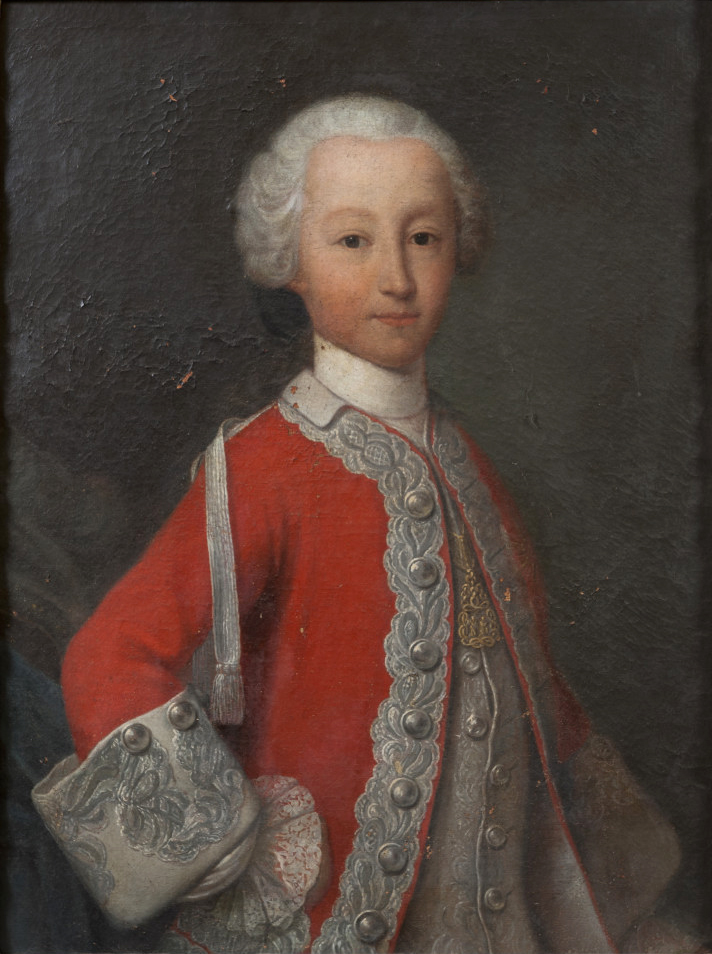
Unknow Person · Public domain
Antonio del Duca (also known as Lo Duca) was a Sicilian friar born in Cefalù in 1491 and died in Rome in 1564. He is remembered for his persistent campaign to secure official veneration of the "Seven Angelic Princes," which was partly answered by the dedication of Santa Maria degli Angeli e dei Martiri, a church built within the ruins of the Baths of Diocletian under Pope Pius IV.
- born
- 1491, Cefalù
- died
- 1564, Rome
- field
- Religious advocacy, liturgy
- nationality
- Sicilian
- known_for
- Campaign for the cult of the Seven Angelic Princes; role in the dedication of Santa Maria degli Angeli e dei Martiri
Lore & Background
Antonio del Duca's obsession with the cult of angels began during his time as choirmaster in the cathedral of Palermo (1513–1515). According to tradition, he developed a devotion to the Seven Angelic Princes after finding an ancient icon in the little Church of Sant'Angelo, though this specific discovery is not verified by widely-known historical records. He then traveled to Rome to seek formal recognition of these Sette Principi angelici, obtaining a post as chaplain to Cardinal Antonio Maria Ciocchi del Monte, for whom he composed a liturgy for a Mass of the Seven Angels.
After his patron's death in 1533, del Duca served as chaplain to don Fernando de Silva, conde de Cifuentes, ambassador of Charles V, Holy Roman Emperor, but failed to gain approval from Pope Paul III Farnese, who sent him back to Sicily. Returning to Rome, he became chaplain in Santa Maria di Loreto in Trajan's Forum. In 1541, he had a beatific vision of seven martyr saints within the ruins of the Baths of Diocletian, which fixated him on building a church there. He inscribed seven Roman columns with the names of archangels, including Michael, Raphael, and Gabriel, though the specific names Selaphiel, Jegudiel, Barachiel, and Uriel are not historically documented as part of this inscription; these names belong to Eastern Orthodox tradition, not the Catholic canon.
Del Duca continued his campaign through letters and pilgrimages, including a trip to Venice in 1543 to have his liturgy printed and to commission a copy of a mosaic of the Virgin among the Seven Angels. He eventually accepted the rectorship of the Orfanelli di Santa Maria in Aquiro, pressing Paul III to consecrate the Baths to the Beatissima Vergine dei Sette Arcangeli. Finally, Pope Pius IV authorized the construction in a brief of 27 July 1561, dedicating the church to the Virgin and all Angels and Martyrs, with Michelangelo as the designer.
Reader's Guide
Antonio del Duca's significance lies in his single-minded devotion to establishing official recognition of the Seven Angelic Princes, a cause that spanned decades and involved multiple popes. Though he did not achieve full liturgical approval, his efforts culminated in the dedication of Santa Maria degli Angeli e dei Martiri, a major church designed by Michelangelo within the ancient Baths of Diocletian. This church remains a notable example of the fusion of Christian and classical Roman architecture. Del Duca's campaign also highlights the role of individual religious figures in shaping devotional practices during the Counter-Reformation, as well as the interplay between local cults and papal authority. His vision of the seven martyr saints and his inscriptions on the columns of the caldarium left a lasting physical mark on the site. While his personal liturgy for the Seven Angels was never officially adopted, the church's dedication to the Virgin and all Angels and Martyrs partially fulfilled his goal. Del Duca's persistence illustrates how a single friar could influence monumental ecclesiastical projects through relentless advocacy.
Did You Know?
- Antonio del Duca is traditionally said to have discovered an ancient icon of the Seven Angelic Princes in the little Church of Sant'Angelo in Palermo around 1513–1515, though this claim is not supported by widely-known h
- In 1541, he had a beatific vision of seven martyr saints within the ruins of the Baths of Diocletian.
- He inscribed seven red granite columns of the Baths' caldarium with the names of archangels, but the names Selaphiel, Jegudiel, Barachiel, and Uriel are from Eastern Orthodox tradition and not historically documented as
- The church Santa Maria degli Angeli e dei Martiri was designed by Michelangelo as one of his last commissions.
The Obsession with the Seven Angelic Princes
Antonio del Duca, born in Cefalù in 1491, spent his life consumed by a single theological devotion: the veneration of the Seven Angelic Princes. The seed of this fixation was planted during his years as choirmaster at the cathedral in Palermo between 1513 and 1515, when he stumbled upon an ancient icon of the seven archangels in the small Church of Sant'Angelo. The image had lain forgotten for centuries, yet to del Duca its rediscovery felt miraculous and urgent. He carried the conviction northward to Rome, where he composed a full liturgy for a Mass of the Seven Angels, presenting it to his first patron. His devotion was not merely devotional but scholarly and artistic: he traveled to Venice to have a booklet of his liturgy printed with prayers and images, and he commissioned a copy of a famous mosaic in the Basilica of San Marco showing the Virgin surrounded by the seven angels. His particular roster blended the three Western archangels—Michael, Raphael, and Gabriel—with four names drawn from Eastern Catholic tradition: Selaphiel, Jegudiel, Barachiel, and Uriel.
A Vision in the Ruins of Diocletian
In the summer of 1541, while serving as chaplain at Santa Maria di Loreto near Trajan's Forum, del Duca experienced what he described as a beatific vision. In a burst of white light within the vast ruins of the Baths of Diocletian, he beheld seven martyr saints—Saturnino, Ciriaco, Largo, Smaragdo, Sisinnio, Trasone, and Pope Marcellus I—revealed to him in a single luminous apparition. The encounter transformed his campaign from a liturgical petition into an architectural obsession. From that day forward he fixated on the idea that a grand church dedicated to these martyrs must be raised within the imperial thermae themselves. He took to inscribing the seven towering red granite columns of the caldarium with the names of his chosen archangels, marking the ancient Roman space as sacred ground for his project. He pressed Pope Paul III repeatedly to consecrate the ruin to the Blessed Virgin of the Seven Archangels, but the pontiff kept deflecting him, once even sending him back to Sicily. The vision became the gravitational center of his remaining twenty-three years in Rome.
A Chaplain Without Rest
Del Duca's decades in Rome were defined by a restless pattern of patronage, displacement, and renewed petition. His first major connection was Antonio Maria Cardinal Ciocchi del Monte, the uncle of the future Pope Julius III, for whom he served as chaplain and composed his liturgical work. When the cardinal died in 1533, del Duca attached himself to don Fernando de Silva, the Spanish ambassador to the Holy Roman Emperor Charles V, continuing his unbroken campaign for official recognition of his angelic Mass. Pope Paul III Farnese proved the most persistent obstacle, repeatedly assigning del Duca to duties that sent him back to his native Sicily or to peripheral posts. Yet each time he returned to Rome, the friar re-engaged. He became chaplain at Santa Maria di Loreto, took the rectorship of the Orfanelli di Santa Maria in Aquiro, and on 13 November 1546 he penned a beseeching letter to Signora Lucrezia della Rovere-Colonna, asking her to intercede with the pope on his behalf. It was almost certainly one of many such appeals, a testament to a man who refused to let his cause die.
Michelangelo's Church and a Partial Victory
After more than two decades of petitioning, del Duca's campaign received its long-awaited papal sanction. On 27 July 1561, Pope Pius IV issued a brief authorizing the construction of a new church within the ruins of the Baths of Diocletian, dedicating it to the Beatissimae Virgini et omnium Angelorum et Martyrum—the most Holy Virgin and all the Angels and Martyrs. The brief also placed the direction of the new foundation under the Cistercian community of Santa Croce in Gerusalemme. The architectural commission fell to Michelangelo, making this one of the final projects of the master's career. The resulting Santa Maria degli Angeli e dei Martiri rose within the vast remains of the imperial thermae, fulfilling del Duca's lifelong vision of a sacred space set into the fabric of ancient Rome. Yet the dedication was a compromise: rather than naming the Seven Angelic Princes exclusively, the title encompassed all angels and all martyrs together. For the Sicilian friar, who died in Rome in 1564, the church stood as a partial but monumental answer to a lifetime of unwavering faith.
Gallery
Frequently Asked Questions
Who is Antonio del Duca?
Antonio del Duca, occasionally called Lo Duca, was a Sicilian-born friar from Cefalù (1491) who spent his career in religious advocacy and liturgical work. He is chiefly remembered as the driving force behind the push to give the Seven Angelic Princes a recognized place in Catholic devotion.
What is Antonio del Duca's role in the angelic canon?
He was not a supernatural being but a human champion who lobbied the Church hierarchy to formally enshrine the veneration of the Seven Angelic Princes in official liturgy. His work sits at the intersection of angelic theology and institutional worship practice.
How does Antonio del Duca's story end?
He died in Rome in 1564, having outlived his most pressing campaign by seeing a partial institutional victory. The dedication of Santa Maria degli Angeli e dei Martiri under Pope Pius IV served as the closest the Church came to fully honoring his vision for the Seven Angelic Princes.
Why is Antonio del Duca important to angelic tradition?
His decades of persistent advocacy helped move the Seven Angelic Princes from a peripheral devotional idea toward a recognized element of Church liturgy. Without his lobbying, the angelic figures he championed might never have received the formal liturgical acknowledgment they eventually did.
What is the link between Antonio del Duca and Santa Maria degli Angeli e dei Martiri?
That church, raised inside the remains of the Baths of Diocletian during the papacy of Pius IV, was dedicated in part as a response to Antonio del Duca's long campaign for the cult of the Seven Angelic Princes. It stands as the most tangible institutional fruit of his life's work.
More in Angels in Christianity 1-24
Spotted an error? Know more?
This is a living reference — every entry is fact-audited, and reader corrections feed straight into our audit queue. Suggest an edit · See this site's audit record